 01 402 9466
 info@alphabiolabs.ie
 0 Items



Finding out you’re expecting a baby can bring a mixture of emotions. For some, that includes uncertainty about paternity; a situation that’s far more common than many people realise, and one that can bring significant emotional strain. In the past, establishing paternity meant waiting until after the baby was born. Today, advances in genetic science […]
Blog

Non-invasive Prenatal Paternity Testing: what solicitors, social workers and local authorities need to know
Questions about biological paternity arise regularly in family law proceedings, child welfare assessments, and cases managed by local authorities. In these situations, establishing paternity accurately and as early as possible can be critical, influencing decisions around parental responsibility, contact arrangements, financial support, and the long-term welfare of the child. Non-invasive prenatal paternity (NIPP) testing provides […]

Festival season and drug use: what you need to know
Every summer, thousands of people across Ireland head to fields, parks, and arenas to take part in one of the country’s most beloved summer traditions: the music festival. For many attendees, festivals are a positive, memorable experience. But alongside the music and the shared sense of occasion, festival season also brings a well-documented rise in […]

4 reasons people take a DNA test (and what they actually find out)
DNA testing used to feel like something you only saw on the news or in crime dramas. Now, thousands of people across Ireland take a DNA test every year for all kinds of reasons. Some want answers, some want closure – some are simply curious. Here, we look at four of the most common reasons […]

Twins with different fathers: the science behind heteropaternal superfecundation
Most people assume that twins – whether identical or non-identical – share the same biological father. And in most cases, that assumption is correct. But not always. A recent documentary on BBC Radio 4 in the UK shattered this idea in the most remarkable way with the story of Michelle and Lavinia, non-identical twins who […]

Alcohol misuse in Ireland: What the latest evidence means for family proceedings
Alcohol misuse remains a persistent and growing concern across Ireland. According to the Health Research Board (HRB), an average of four people die every day in Ireland as a result of alcohol use, with alcohol-related hospitalisations remaining consistently high. Furthermore, Tusla, the Child and Family Agency, cites addiction among the key pressures driving demand on […]

Beyond the cut-off: How AlphaBiolabs interprets drug and alcohol test results for family cases
When a drug or alcohol test result is presented in family court proceedings, the stakes could not be higher. Decisions about a child’s welfare, access arrangements, or parental capacity may rest, at least in part, on what that report says – and how it has been interpreted. Cut-off levels are a well-established and important part […]

Complex DNA relationship testing: who needs it and which test is right for you?
When most people think about DNA relationship testing, paternity testing is usually the first thing that comes to mind. But what happens when the person you need to test is unavailable, or when the question isn’t about a parent and child at all, but other biological relationships with extended family? This is where complex DNA […]
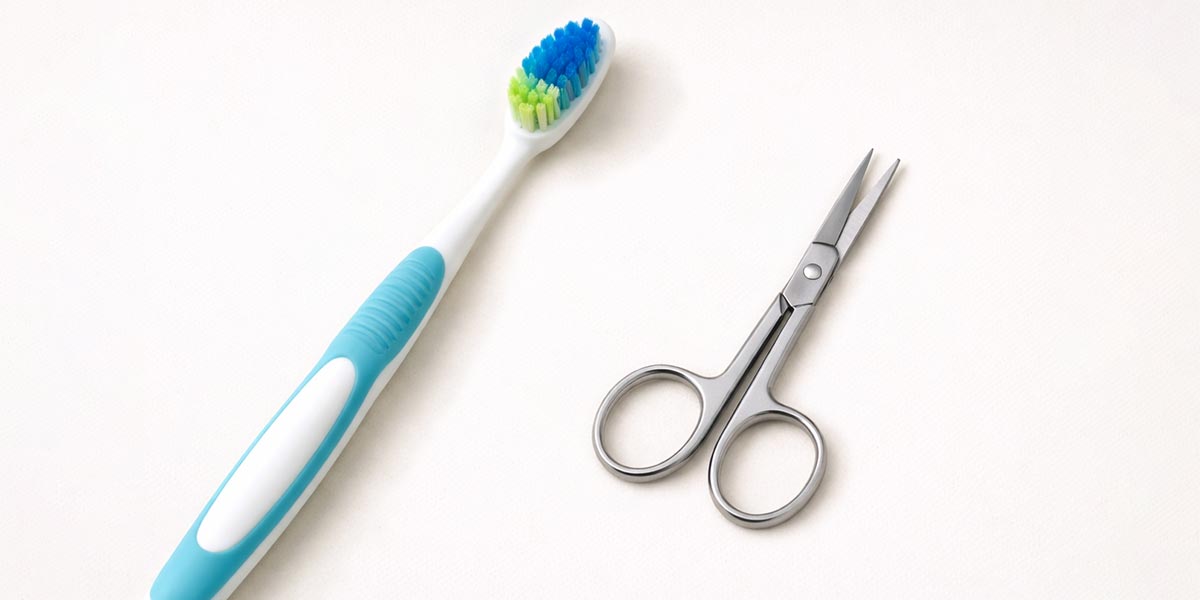
Toothbrush and nail DNA testing: benefits, uses and how they work
When most people think about DNA testing, the image that comes to mind is of a simple cheek swab, a soft cotton bud, rubbed gently on the inside of the cheek to collect a DNA sample. It’s quick, painless, and highly effective. But what happens when collecting a cheek swab simply isn’t possible? Whether you […]

Drug & Alcohol Testing options: A free and practical guide for family law professionals
Drug and alcohol misuse is a common feature in family court proceedings, with implications for safeguarding, contact, and parenting capacity. Laboratory testing can provide vital evidence, but only when the right method is selected. Different tests detect different substances over different timeframes. A test that’s too specific, too broad, or poorly matched to the case […]