 01 402 9466
 info@alphabiolabs.ie
 0 Items

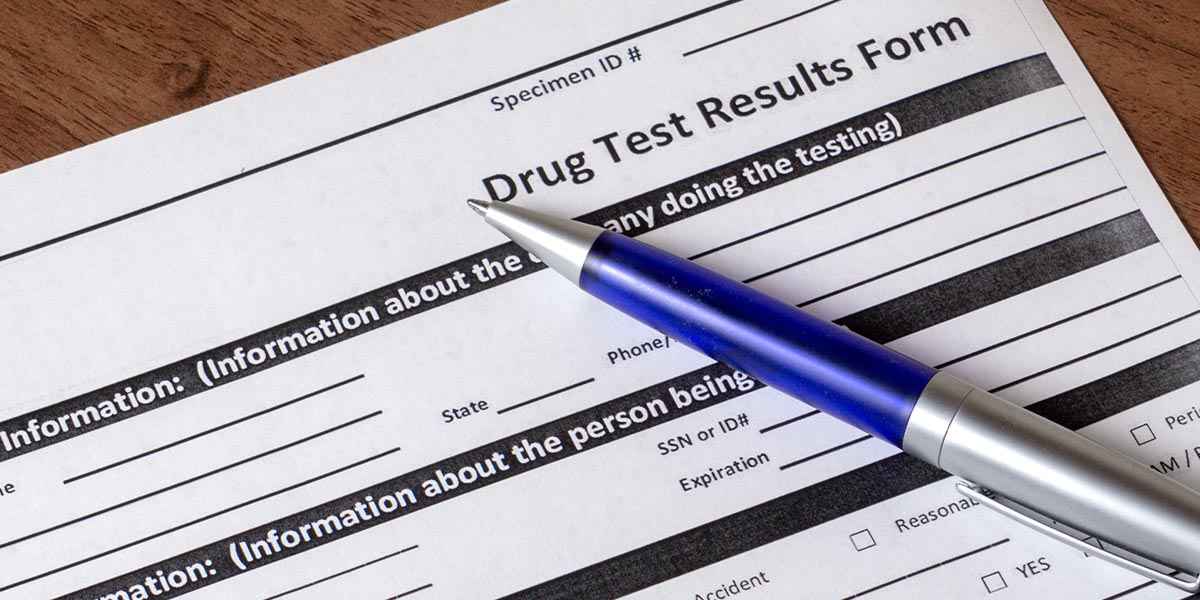
When a drug or alcohol test result is presented in family court proceedings, the stakes could not be higher.
Decisions about a child’s welfare, access arrangements, or parental capacity may rest, at least in part, on what that report says – and how it has been interpreted.
Cut-off levels are a well-established and important part of the testing process, helping to distinguish active substance use from incidental or environmental exposure.
But a cut-off level is only a starting point for interpretation.
Here, we explain the full range of factors our Reporting Scientists consider when interpreting drug and alcohol test results, and why that holistic approach produces reports that are scientifically sound, fair, and fit for use in legal proceedings.
What cut-off levels are (and what they’re not)
When a biological sample is analysed for the presence of drugs or alcohol, the laboratory measures the concentration of substances present.
Cut-off levels are scientifically established thresholds that determine whether a detected concentration is reported as a confirmed positive result.
The primary purpose of cut-off levels is accuracy and fairness. Without them, even trace amounts of a substance picked up through passive or environmental exposure could be reported as evidence of drug use.
A well-documented example of this is the so-called ‘cocaine kiss’. Because cocaine can dissolve in saliva and be absorbed through the soft tissues of the mouth, a non-user could theoretically test positive for cocaine following close contact with someone who has used it.
Cut-off levels exist, in part, to prevent results like this from being misattributed.
At AlphaBiolabs, we apply Society of Hair Testing (SoHT) guidelines as the benchmark for cut-off levels across relevant sample types. We also apply our own analytical cut-offs, which sit above the SoHT thresholds to account for analytical variation.
In practice, this means that when AlphaBiolabs reports a positive result, there is no ambiguity; the compound is confirmed as present in that sample.
What cut-off levels cannot do, however, is interpret themselves. They cannot account for the biological and environmental variables that influence how substances are incorporated into a sample, distinguish between ingestion and contamination, or tell us what the result means in the context of the individual, sample, and case.
That’s where the expert interpretation of the Reporting Scientist comes in.
Learn more: Understanding hair drug test reports – a comprehensive guide
What our Reporting Scientists consider
Every AlphaBiolabs drug and alcohol test report is produced by a qualified Reporting Scientist with graduate or postgraduate credentials in a relevant discipline, and experience working within both forensic toxicology and/or family law.
Before any conclusion is reached, they consider a range of factors that cut-off levels alone cannot account for. Depending on the test type and sample being analysed, these include:
Hair type and colour
Research has shown that melanin levels in hair can influence how drugs are incorporated into the hair shaft, meaning darker hair may retain higher concentrations of certain substances independent of consumption levels.
This is one reason why it is not possible to precisely state the frequency of drug use or the exact quantities consumed, and why a reported concentration must always be considered in the context of the individual being tested.
Cosmetic and chemical treatments
Bleaching, perming, dyeing and excessive straightening all have the potential to affect drug retention in hair samples. Sample donors are asked to disclose any recent hair treatments at the time of sample collection, and their responses are documented and factored into the interpretation of results.
The presence of metabolites
Metabolites are the breakdown products the body produces after a drug has been consumed and processed. Their presence, or absence, provides critical evidence about whether a detected substance was actively ingested or arrived in the sample through external contamination. A cut-off level cannot make this distinction.
Wash analysis
Comparing the amount of drug found in the wash and in the hair can help assess possible external contamination.
If more drug is detected in the wash than in the hair, this may suggest the presence of drug on the outside of the hair rather than incorporation into the hair strand. If more drug is detected in the hair than in the wash, this supports the likelihood that the drug is present within the hair.
Results in between may reflect a combination of external exposure and incorporation, or incomplete removal during the washing process.
This assessment is always considered alongside the full test results and all other findings.
Sample donor disclosures
At the point of sample collection, donors are asked to declare any relevant information that could impact the results of the test, including prescribed medications, declared substance use, environmental exposure to drugs, or close physical contact with drug users.
These disclosures are recorded and reviewed by the Reporting Scientist as part of the interpretive process. They can be significant in either direction: corroborating a positive result or providing legitimate context for one.
Hair growth rate and segmented analysis
AlphaBiolabs uses an average scalp hair growth rate of 1cm per month, in line with SoHT recommendations.
Where segmented analysis is instructed, individual sections of hair can be analysed separately, providing an insight into patterns of drug use across distinct time periods, rather than a single result across the entire detection window.
This can be particularly valuable in proceedings where the timing of substance use is relevant to the case.
Where overview analysis is instructed, any episodes of drug use are averaged out over the period being tested. The maximum length of hair we can test for overview analysis is 3cms (for an overview of 3 months), and the maximum overview period is 12 months, reported as 4 x 3-month overviews).
Ethnicity
Peer-reviewed research supports the view that certain biological variations between individuals can influence drug incorporation into hair. Ethnicity is one factor that may be relevant to this, and it is considered as part of a holistic interpretation where appropriate.
What our reports include and why it matters in court
Understanding what’s covered in an AlphaBiolabs drug or alcohol test report is important for any family law professional or social worker instructing court-approved testing for the first time or reviewing their current testing partner.
For legally-instructed tests, our standard offering is the Expert Report, the most comprehensive report available, and the one most relied upon in family law proceedings.
An Expert Report sets out expert interpretation in full, and is the document that gives family courts, solicitors, social workers and child protection professionals the most complete picture of what the results mean.
It includes the full analytical findings alongside the professional conclusions of the Reporting Scientist, contextualised by donor disclosures, relevant scientific caveats, metabolite analysis, and any other factors material to the case.
For cases where the results are likely to be contested, where the science is complex, or where the outcome could significantly affect a child’s future, an Expert Report ensures the findings are properly understood and appropriately applied.
A Certificate of Analysis is also available. This confirms which substances were detected and which were not, across the period covered by the sample. It is a clear, court-ready document that provides the factual basis of the test findings.
All AlphaBiolabs test reports are produced to be legally defensible, are accepted in Irish family law proceedings, and are also peer-reviewed by a senior Reporting Scientist before issue.
Why holistic interpretation protects everyone involved
A drug or alcohol test report used in family proceedings is not simply a scientific document; it’s evidence.
And like all evidence, its value depends on how well it has been examined.
A result interpreted solely by whether it falls above or below a cut-off level is an incomplete result. It may be technically accurate, but if it has not accounted for the biological variables affecting that sample, the presence or absence of metabolites, or the context provided by the donor at collection, it is not telling the full story.
In family law proceedings, the full context of the case is everything. The circumstances of the individual, their living environment, their disclosed history, and the wider picture presented by the case can all be material to how a result should be properly understood, and how it should be applied.
Thorough interpretation protects the integrity of the process:
- providing family law professionals with a clear, defensible basis on which to advise clients
- giving social workers and child protection professionals the scientific context they need to make informed recommendations
- protecting sample donors, where a result has been influenced by hair biology, cosmetic treatments, or environmental exposure, rather than active substance misuse, ensuring they are treated fairly
Our court-approved drug & alcohol testing services
At AlphaBiolabs, our approach to interpretation has been developed over more than 20 years of working with family law professionals, social workers and local authorities.
- Our reports are produced by qualified, experienced Reporting Scientists, peer-reviewed, and accepted in Irish family law proceedings
- We’re ISO 17025-accredited
- We’re a member of the Society of Hair Testing with analysis carried out to internationally-agreed standards
We also offer a full range of accredited drug and alcohol testing services to suit every case, including hair drug testing, nail drug testing, hair alcohol testing, nail alcohol testing, blood alcohol testing, oral fluid drug testing, urine drug testing and breath alcohol testing.
We also offer SCRAM CAM®, for real-time, continuous alcohol monitoring.
Not sure which test, or combination of tests, is right for your client?
To request a quote, or to discuss the requirements of your case, contact our New Enquiry team on 01 402 9466 email testing@alphabiolabs.com, or complete our online quote form.

Legal Testing Services
Explore our full range of court-approved testing services, including accredited drug and alcohol testing.


