 01 402 9466
 info@alphabiolabs.ie
 0 Items



The popularity of home DNA testing has grown significantly in recent years, with these tests being used to answer some of life’s most important personal questions. Sometimes those questions are asked quietly, at home, by someone with a private doubt. And sometimes, they’re answered by accident, decades later, in the most unexpected way. That was […]
Blog

Privately funded legal testing: How AlphaBiolabs supports solicitors and their clients
For some people looking for laboratory testing support for a family law or immigration matter, Legal Aid may not be available. Whether due to financial ineligibility or the nature of the case, some clients find themselves having to fund their own drug, alcohol or DNA testing. For family law solicitors and specialist immigration solicitors, this […]

North Dakota men allege they were switched at birth: What the case reveals about the power of DNA testing
When Kyle Bylin received an at-home DNA test as a Christmas present, he had no idea it would uncover a secret nearly four decades old. That he and another man, Jeremy Morrison, had been switched as newborns at the same hospital in 1988. The story, which has since made international headlines, is a powerful reminder […]

Aunt & Uncle DNA testing in Ireland: Peace of mind and court-approved testing explained
Aunts and uncles often occupy a unique space in a family; part parent, part friend, and sometimes the person a child turns to when they need extra support outside of the family home. For some families, this connection becomes even more important when a child’s biological father or mother is unavailable or unwilling to take […]

Continuity you can count on: Why choosing a reliable testing laboratory matters
Drug, alcohol and DNA testing plays a critical role across family law and child welfare, informing safeguarding decisions, care proceedings, and the arrangements that shape a family’s future. Whether the results are being used to support a court case, safeguarding assessment, or decision made in a child’s best interests, the reliability of the testing laboratory […]

Kinship care in Ireland: How DNA testing can help families prove biological relationships
For many children who are unable to live with their parents, being cared for by a relative such as a grandparent, aunt, uncle, or older sibling, offers a vital sense of stability, identity, and belonging. Kinship care plays a significant role in Ireland’s child welfare system. It’s estimated that around 8,000 children are living in […]

10 surprising facts about paternity testing you didn’t know
When most people think about DNA paternity testing, they usually picture something reserved for courtroom dramas or sensationalist TV shows. In reality, paternity testing has become one of the most accessible and widely used forms of DNA testing in Ireland, helping thousands of families every year gain clarity, confirm relationships, and find peace of mind. […]

Hallucinogen drug testing for legal matters: what you need to know
Hallucinogens, sometimes referred to as psychedelics, are a group of substances that alter perception, mood, and cognitive processes, often producing intense sensory experiences that can be unpredictable and, in some cases, psychologically distressing. While often perceived as less harmful than other controlled drugs, hallucinogens are a persistent feature of the drug landscape across Europe. According […]
World Drug Day 2026: Understanding drug misuse and the role of drug testing in Ireland
Observed annually on 26 June, International Day against Drug Abuse and Illicit Trafficking – also known as World Drug Day – is a day dedicated to raising awareness of the global impact of drug misuse and the illicit trade that drives it. Established by the UN General Assembly in 1987, the day brings together governments, […]
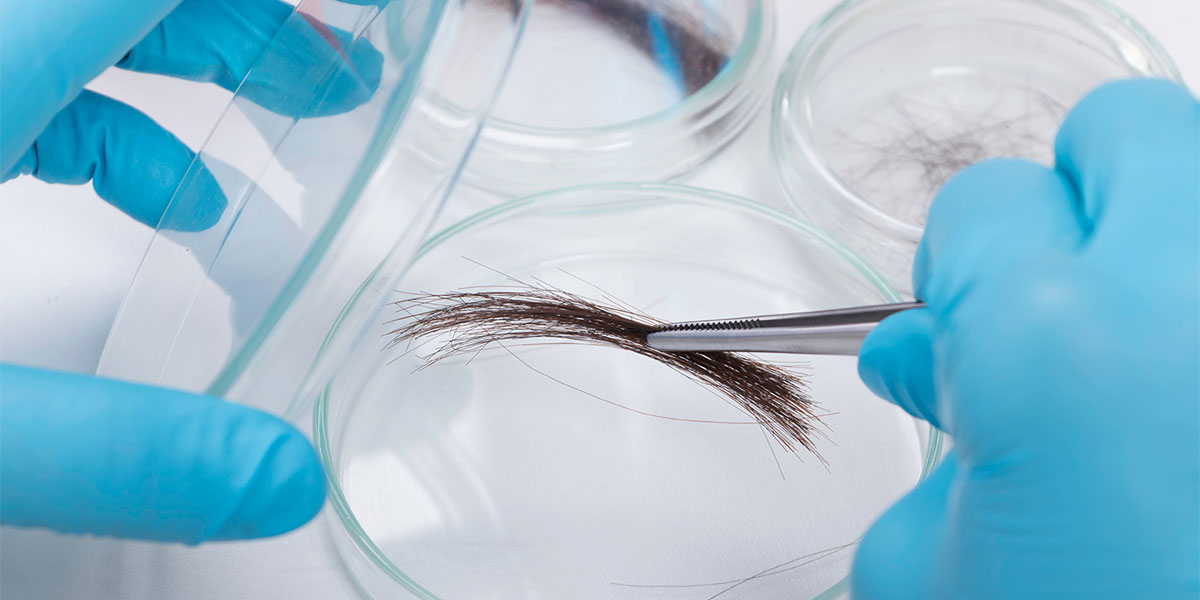
Hair drug testing: Patterns of use, single events and limitations
Hair drug testing occupies a unique position in forensic toxicology. Unlike urine or oral fluid (saliva) – which detect only recent consumption – hair analysis provides a retrospective record of drug exposure spanning weeks or months. This makes it a particularly powerful tool in family court proceedings, where establishing patterns of behaviour is often central […]