 01 402 9466
 info@alphabiolabs.ie
 0 Items

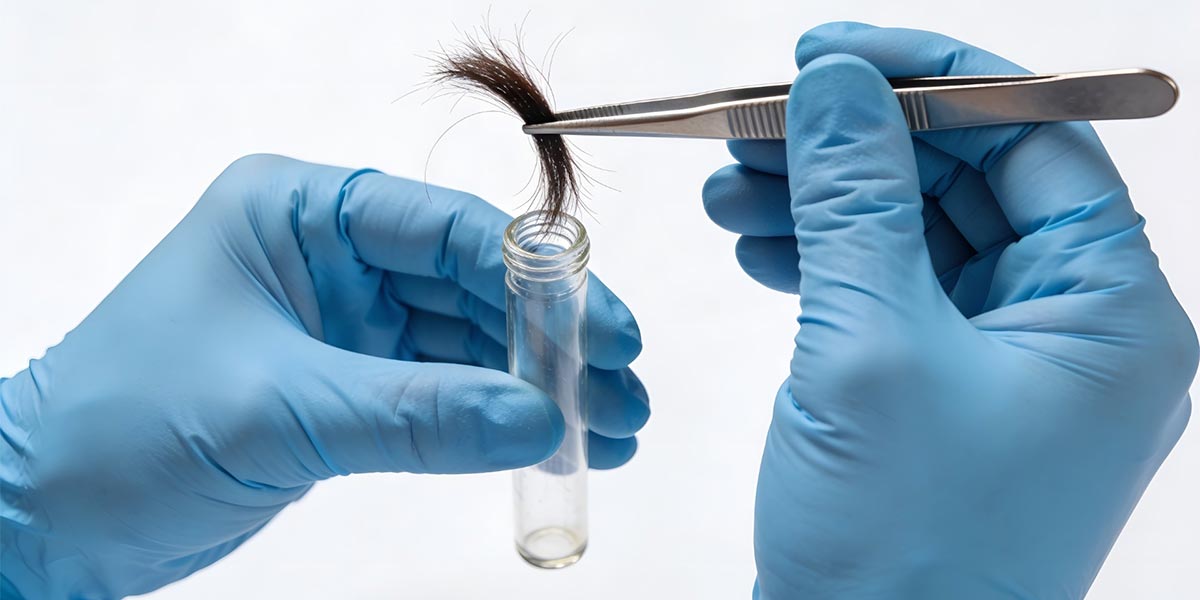
Drug and alcohol testing carries real weight in family law, informing decisions on contact, custody and safeguarding. But misconceptions about how laboratory testing works are common, even among the most experienced social workers and family law professionals. In this series, we’re setting the record straight on the top 10 drug & alcohol testing myths that […]
Top 10 Drug & Alcohol Testing Myths – Busted!
International Overdose Awareness Day 2026: Understanding and Preventing Overdose
Every year, on 31 August, communities across more than 40 countries come together to mark International Overdose Awareness Day (IOAD), the world’s largest campaign dedicated to ending overdose. Led since 2012 by the Penington Institute, a public health non-profit, IOAD began as a single event and has since grown into a global day of action. […]

Continuity you can count on: Why choosing a reliable testing laboratory matters
Drug, alcohol and DNA testing plays a critical role across family law and child welfare, informing safeguarding decisions, care proceedings, and the arrangements that shape a family’s future. Whether the results are being used to support a court case, safeguarding assessment, or decision made in a child’s best interests, the reliability of the testing laboratory […]

Hallucinogen drug testing for legal matters: what you need to know
Hallucinogens, sometimes referred to as psychedelics, are a group of substances that alter perception, mood, and cognitive processes, often producing intense sensory experiences that can be unpredictable and, in some cases, psychologically distressing. While often perceived as less harmful than other controlled drugs, hallucinogens are a persistent feature of the drug landscape across Europe. According […]
World Drug Day 2026: Understanding drug misuse and the role of drug testing in Ireland
Observed annually on 26 June, International Day against Drug Abuse and Illicit Trafficking – also known as World Drug Day – is a day dedicated to raising awareness of the global impact of drug misuse and the illicit trade that drives it. Established by the UN General Assembly in 1987, the day brings together governments, […]

Hair drug testing: Patterns of use, single events and limitations
Hair drug testing occupies a unique position in forensic toxicology. Unlike urine or oral fluid (saliva) – which detect only recent consumption – hair analysis provides a retrospective record of drug exposure spanning weeks or months. This makes it a particularly powerful tool in family court proceedings, where establishing patterns of behaviour is often central […]

Non-invasive Prenatal Paternity Testing: testing options explained
Finding out you’re expecting a baby can bring a mixture of emotions. For some, that includes uncertainty about paternity; a situation that’s far more common than many people realise, and one that can bring significant emotional strain. In the past, establishing paternity meant waiting until after the baby was born. Today, advances in genetic science […]

Festival season and drug use: what you need to know
Every summer, thousands of people across Ireland head to fields, parks, and arenas to take part in one of the country’s most beloved summer traditions: the music festival. For many attendees, festivals are a positive, memorable experience. But alongside the music and the shared sense of occasion, festival season also brings a well-documented rise in […]

Beyond the cut-off: How AlphaBiolabs interprets drug and alcohol test results for family cases
When a drug or alcohol test result is presented in family court proceedings, the stakes could not be higher. Decisions about a child’s welfare, access arrangements, or parental capacity may rest, at least in part, on what that report says – and how it has been interpreted. Cut-off levels are a well-established and important part […]

Drug & Alcohol Testing options: A free and practical guide for family law professionals
Drug and alcohol misuse is a common feature in family court proceedings, with implications for safeguarding, contact, and parenting capacity. Laboratory testing can provide vital evidence, but only when the right method is selected. Different tests detect different substances over different timeframes. A test that’s too specific, too broad, or poorly matched to the case […]