 01 402 9466
 info@alphabiolabs.ie
 0 Items


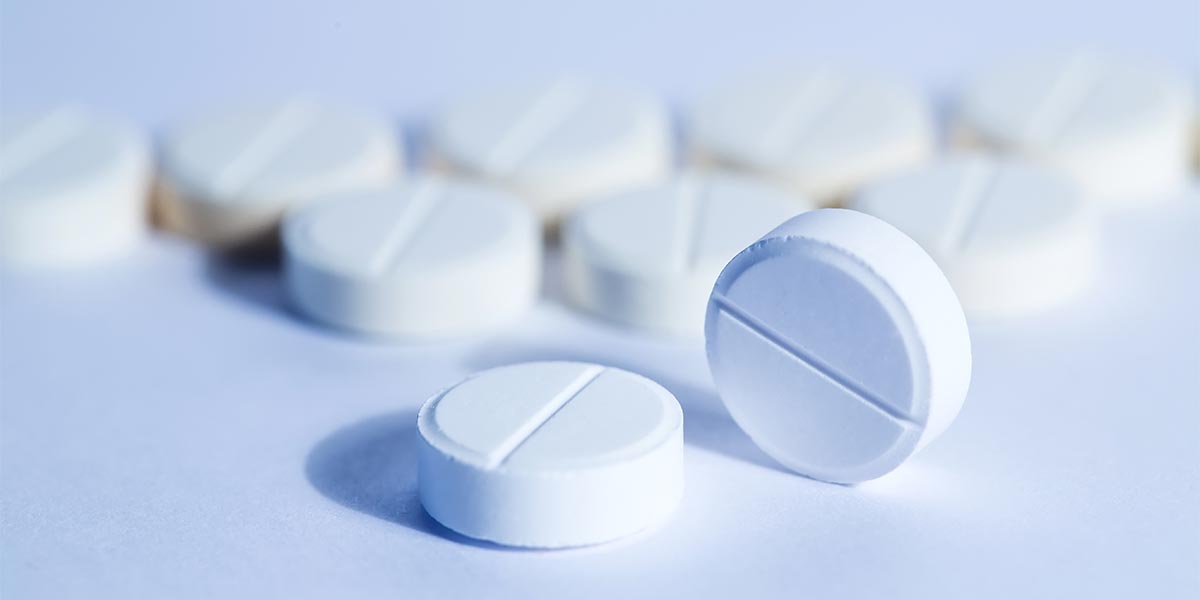
In October, BBC News released America’s Synthetic Drug Crisis, a documentary that follows the impact of powerful lab-made drugs from the streets of Columbus, Ohio, to one of the largest jails in Chicago.
Its central message is a worrying one: people who use drugs increasingly have no idea what they’re taking. Synthetic substances are being mixed into the drug supply, sometimes via makeshift home setups, making every dose more unpredictable and dangerous.
But this isn’t just an American problem. The same shift towards synthetic drugs is happening here in Ireland, and across Europe.
In this blog, we explain what synthetic drugs are, which ones are showing up in the Irish drug supply, what the latest figures show, and what families can do to stay informed and protected.
What are synthetic drugs?
Most traditional drugs start life as a plant. Heroin comes from the opium poppy, cocaine from the coca leaf, and cannabis from the cannabis plant.
Synthetic drugs are different. They are made entirely from chemicals, often in illegal labs, and are designed to copy or intensify the effects of plant-based drugs.
They’re spreading for three main reasons:
- They’re cheap and easy to make: No crops, no harvest and no growing season.
- They’re extremely potent: A tiny amount can have a powerful effect, which makes them easy to smuggle and dangerously easy to overdose on.
- They’re easy to modify: Makers can make slight chemical changes to get around drug laws, staying one step ahead of regulators.
The biggest danger is that synthetics are often mixed into other drugs, or pressed into fake pills, sold as something they’re not, without the buyer knowing.
Learn more: Buyer beware – what are users really getting when they buy drugs on the street?
A global problem, and a European one
In the US, the picture is mixed. Overdose deaths fell for the third year in a row in 2025, to around 70,000. But health officials are warning of new, even more potent synthetics entering the supply, including nitazenes and powerful animal sedatives.
Closer to home, the trend is just as concerning. According to the EU drugs agency (EUDA), overdoses claimed at least 7,600 lives across the EU in 2024. Its latest report also highlights:
- New synthetic drugs keep appearing: Roughly one new substance is identified in Europe every week, and the EUDA now tracks more than 1,000.
- Nitazene detections have soared: Ten countries found more than 50,000 nitazene tablets in 2024, up from just 380 in 2022.
- Fake medicines are a growing risk: Counterfeit pills laced with nitazenes are being disguised as real prescription medicines such as oxycodone or diazepam.
- Vapes are a new delivery method: Authorities in EU countries have seized vapes containing lab-made versions of cannabis.
Synthetic drugs in Ireland
The same types of lab-made drugs making headlines in the US are now causing growing concern here:
Nitazenes
A group of synthetic opioids that can be even stronger than fentanyl. Nitazenes were first detected in Ireland’s drug supply by the HSE in November 2023. Since then, it has issued several public ‘red alerts’ after clusters of overdoses in Dublin, Cork and elsewhere.
Synthetic and semi-synthetic cannabinoids
These are lab-made chemicals designed to mimic cannabis, but often far stronger and more unpredictable. They include ‘spice’ and newer semi-synthetic substances such as HHC, and they’re increasingly turning up in vapes and edibles.
When the HSE’s Emerging Drug Trends Laboratory tested 76 vapes and vape liquids bought from shops and dealers this year, more than a third contained HHC or similar compounds, and a further eight contained potent synthetic cannabinoids. Some had been falsely labelled as CBD.
The HSE has singled out young people as a particular concern, as many buy these products without realising what’s in them.
What the latest Irish figures tell us
Ireland’s most recent official figures come from the Health Research Board’s (HRB) National Drug-Related Deaths Index. They show 343 people died from drug poisoning in Ireland in 2022, down 8% from 373 the year before. However:
- Deaths are still higher than a decade ago: Despite two years of decline, the long-term trend since 2013 is upward.
- Cocaine deaths have soared: Deaths involving cocaine rose by 259% between 2013 and 2022, more than any other drug. By 2022, cocaine played a part in a third of all drug poisoning deaths.
- Mixing drugs is a major factor: Most cocaine-related deaths (8 in 10) also involved other substances, typically heroin, methadone or prescription medicines.
More recent figures on drug treatment give a clearer picture of how fast things are changing.
According to the HRB, the number of people seeking treatment for new psychoactive substances (which include synthetic drugs) jumped by 50% in 2025, from 170 cases to 256, nearly six times the number seen in 2020. Synthetic and semi-synthetic cannabinoids such as HHC were the most reported, and a growing number of people said they were using them through vapes.
Because death figures take several years to finalise, the latest data on deaths covers the period before nitazenes arrived in Ireland. This is one reason why the HSE and HRB are calling for stronger early warning systems to keep pace with fast-moving synthetic drugs.
Why prevention and awareness matter more than ever
Street drugs are unregulated, which means there’s no such thing as a ‘safe’ street drug, unverified pill or unofficial vape.
You can’t tell what’s in a powder, tablet or e-liquid just by looking at it, and even someone who has used drugs before can’t predict how a new batch will affect them.
That’s why awareness matters, both for people who use drugs and the families concerned about them:
- Talk openly: Calm, non-judgemental conversations about drug use make it more likely a loved one will come to you when they need help.
- Be wary of ‘CBD’ and ‘THC’ vapes: Vapes and edibles sold in shops or online may contain something far stronger than the label says.
- Find out about naloxone: Naloxone is a medicine that can temporarily reverse an opioid overdose, including overdoses involving heroin, methadone, fentanyl and nitazenes. In Ireland, you can get a free naloxone kit through your GP, or through drug and alcohol, homelessness or prison services.
- Know the signs of an overdose and act fast: According to the HSE, someone who has taken an opioid needs emergency help if they have problems breathing (they may make a snoring or gurgling sound), blue or grey lips or fingertips, cold or clammy skin, chest pain or a slow heartbeat, or if they lose consciousness.
If you recognise the above signs, call 112 or 999 straight away and tell the operator you suspect an overdose. If the person isn’t breathing, start CPR (the operator will talk you through it). If they are breathing, put them in the recovery position. Use naloxone if you have it and stay with them until help arrives. The HSE advises that you should call for any of these signs, even if you’re not sure it’s an overdose.
Related: International Overdose Awareness Day 2026: Understanding and preventing overdose
How home drug testing can support you and your family
If you’re worried that a loved one may be using drugs, it can be hard to know where to start.
A home drug test is a good first step, allowing you to initiate an honest conversation about drug use. It can also give you peace of mind or enable you to get the right support for someone who needs it.
Our at-home drug tests detect a wide range of commonly used drugs, including cocaine, heroin, benzodiazepines, ketamine and cannabis. Synthetics are often mixed into these drugs or sold in their place, so a positive result can be an early sign that someone may be at risk of exposure to far more dangerous substances.
At AlphaBiolabs, we offer a range of fast, accurate and affordable at-home drug tests, with hair and nail samples analysed at our ISO 17025-accredited laboratory.
- Home Urine Drug Test Kit: Tests for 10 drugs, with results in just 5 minutes.
- Home Hair Drug Test: Tests for 14 drugs, using a hair sample.
- Home Drug and Alcohol Nail Test: Tests for the same 14 drugs as our hair test, and/or alcohol use, using fingernail or toenail clippings.
For hair and nail tests, your password-protected results are emailed to you within 7 business days of your samples arriving at our lab.
Order a test now from just €14 or contact our friendly, discreet team on 01 402 9466 / info@alphabiolabs.ie for advice on which test is best for your situation.
Please note: Our home tests are for peace of mind only. If you need a test for court, family proceedings, or another official matter, you’ll need a court-approved drug or alcohol test.

Home Drug & Alcohol Tests
Fast, affordable and discreet home drug & alcohol testing, for your peace of mind.


