 01 402 9466
 info@alphabiolabs.ie
 0 Items

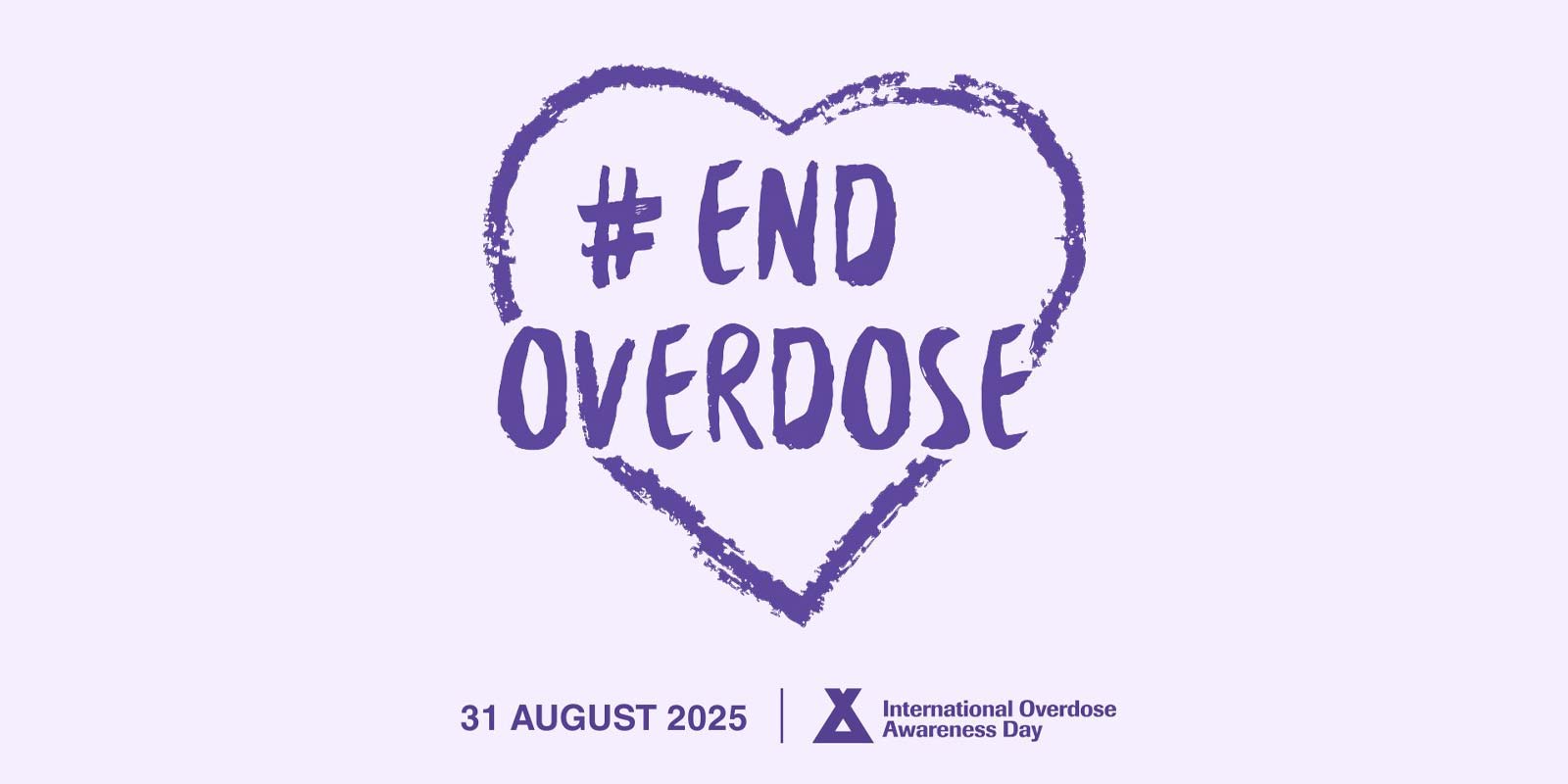
Held annually on 31 August, International Overdose Awareness Day (IOAD) aims to raise awareness of overdose, challenge the stigma surrounding drug-related deaths, and remember those who have lost their lives to overdose.
Founded in 2001 and led by the Australian not-for-profit Pennington Institute, IOAD is the world’s largest campaign to prevent overdose. It encourages open discussion about drug use and promotes greater understanding of the risks involved.
IOAD also calls for action, urging communities, policymakers and healthcare professionals to work together to prevent overdoses through early intervention and better support for those affected.
What is an overdose and how does it occur?
An overdose happens when a person takes more of a drug than their body can safely handle. This can overwhelm the body’s ability to function properly, leading to serious health complications or death.
Overdoses can occur with:
- Illegal drugs, such as heroin or cocaine
- Prescription medications, especially when taken incorrectly or without medical guidance
- Alcohol, particularly in large quantities or when combined with other substances
The risk is significantly higher when substances are mixed – for example, combining alcohol with opioids or sedatives can severely depress breathing and increase the chance of a fatal outcome.
One of the most dangerous trends in recent years has been the increased presence of synthetic drugs, such as fentanyl. These substances are often far more potent than traditional opioids and can be unpredictable in strength, making overdose more likely even in small amounts.
Drug-related deaths in Ireland
Drug poisoning deaths in Ireland remain a serious concern, with the most recent data (2021) underscoring ongoing risks. According to the Health Research Board (HRB):
- A total of 354 drug poisoning deaths were recorded in 2021.
- Opioids – primarily methadone – were implicated in approximately 70% of deaths.
- Other commonly involved drug groups included benzodiazepines (53%) and antidepressants (35%).
- The most frequently involved prescribable medications were:
- Methadone (129 cases)
- Diazepam (112)
- Alprazolam (107)
- Pregabalin (83)
- Zopiclone (59)
- Among illicit substances, cocaine (107) and heroin (79) featured most prominently.
- A striking 80% of deaths involved two or more substances, highlighting the critical issue of polydrug use. Alcohol was implicated in roughly one in three such cases.
- The median age of those who died was 42.5 years, with half aged between 35 and 54.
- Regionally, the HSE Dublin and North East accounted for the largest share of deaths (28.5%), followed by Dublin and Midlands (23%) and Dublin and South East (18%).
The importance of IOAD
International Overdose Awareness Day is not only a time to remember those lost to overdose – it is also a call for action to prevent further deaths.
By promoting open discussion, IOAD helps to reduce the stigma that can prevent individuals from seeking help. Tackling this stigma is key to encouraging early intervention and connecting people with the support they need.
Preventing overdose requires a compassionate, evidence-based approach, including:
- Education and early intervention, especially in at-risk communities
- Access to treatment and recovery services, such as counselling and rehabilitation
- Harm reduction measures, including naloxone (to reverse opioid overdoses) and drug-checking services
- Ongoing monitoring, including drug testing, which can support recovery by identifying relapse early and helping individuals stay accountable throughout treatment
Drug testing plays a vital role in many recovery pathways, providing reassurance to families, supporting professionals working in health or social care, and helping individuals demonstrate progress in overcoming substance misuse.
Accredited drug testing services
At AlphaBiolabs, we understand the devastating impact that substance misuse can have on individuals, families, and communities.
Our testing services are used across Ireland to support:
- Concerned individuals and families looking for peace of mind home drug testing
- Private individuals looking for drug testing for an official matter (child custody, divorce proceedings, industrial tribunals etc)
- Legal and social work matters, where drug testing may support safeguarding or court proceedings
- Workplace drug testing, to help maintain safety and wellbeing at work
We offer a wide range of accredited drug tests using hair, nails, oral fluid and urine samples, and operate walk-in centres in Dublin and Belfast, for convenient sample collection.
We also offer FREE sample collection or legally-instructed tests at our walk-in centres.
To learn more or request a quote, call 01 402 9466 or email info@alphabiolabs.ie.

Drug Testing Services
Explore our accredited drug testing services designed for members of the public, the legal profession and the workplace.


