 01 402 9466
 info@alphabiolabs.ie
 0 Items

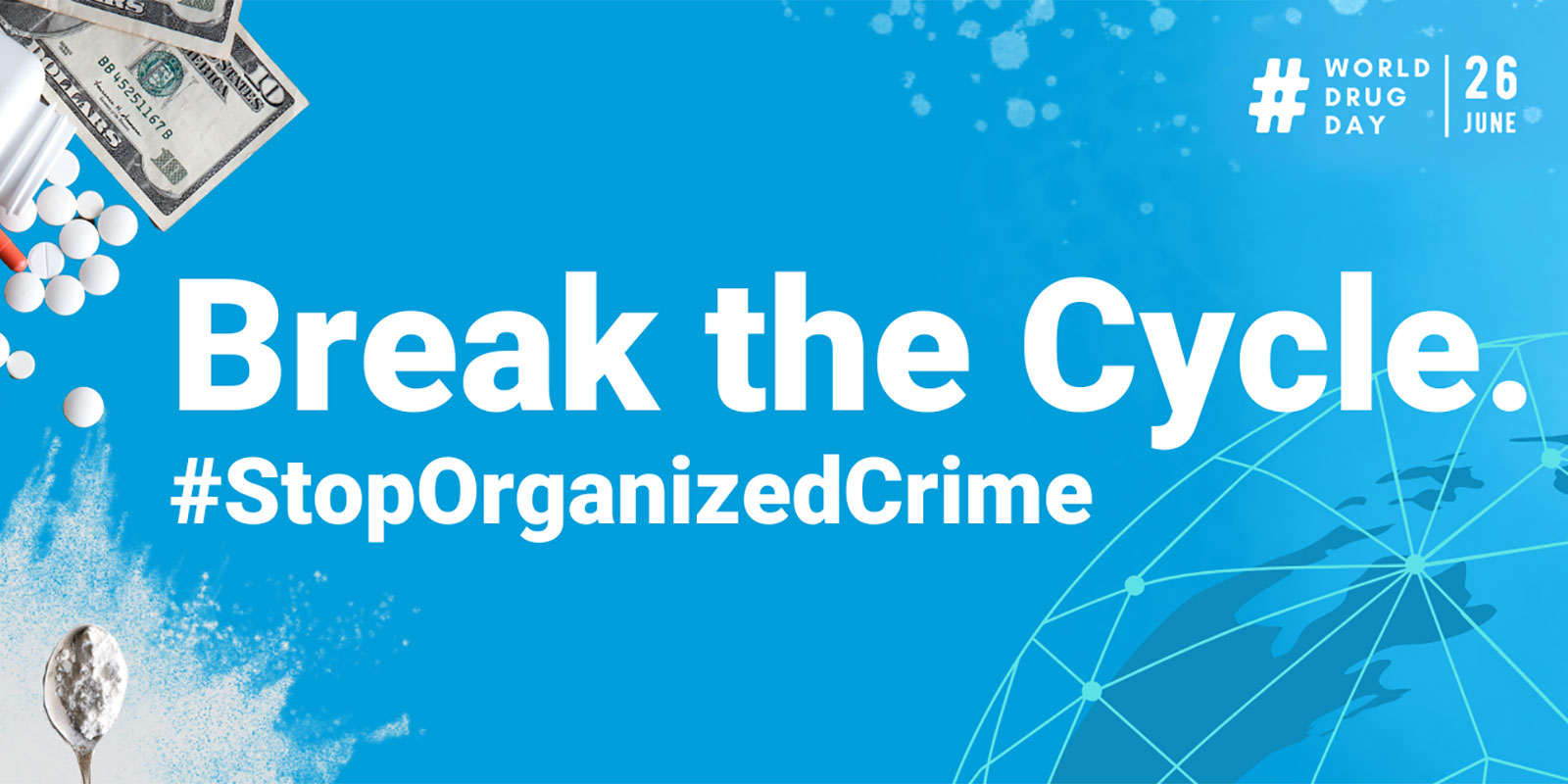
Each year, the global community comes together to mark World Drug Day (26 June), raising awareness of the challenges posed by drug use and trafficking.
This year, the United Nations Office on Drugs and Crime (UNODC) has placed a renewed focus on the growing threat of synthetic substances, with a campaign theme that urges global action based on evidence: “The evidence is clear: invest in prevention.”
Synthetic drugs – man-made substances created to mimic the effects of natural drugs – are rapidly reshaping the landscape of drug use and public health. Often far more potent than traditional drugs, these substances can be unpredictable and deadly, posing serious risks to individuals, families, and wider communities.
This year’s campaign underscores the urgent need for early intervention, testing, and coordinated responses to prevent harm and break the cycle of drug misuse.
Global trends in synthetic substances
The most recent data shows how rapidly synthetic drugs are reshaping global drug markets.
While ‘traditional’ street drugs like heroin and cocaine continue to pose serious health risks, man-made substances – particularly synthetic cannabinoids and opioids – are now responsible for a growing proportion of drug-related harms worldwide.
- Around 1,250 unique new psychoactive substances (NPS) have been reported globally, according to figures from the UNODC
- Roughly 32% of new substances detected in 2023 alone were synthetic cannabinoids; man-made chemicals designed to mimic THC, the active ingredient in cannabis. These substances are often far stronger than natural cannabis and can lead to serious mental and physical health problems
- Nitazenes, a class of highly potent synthetic opioids, have become increasingly common in illicit drug markets across Europe and North America. Some of these drugs are up to 4,300 times stronger than morphine
In November 2023, a cluster of 57 non-fatal overdoses was reported in Dublin, confirmed to be linked to a potent nitazene-type synthetic opioid in the heroin supply – prompting the Health Service Executive (HSE) to issue a national red alert.
Health risks of synthetic substances
Synthetic drugs pose a significant and growing threat to public health. Unlike many traditional substances, these laboratory-made compounds are often far more potent, unpredictable, and poorly understood – making them particularly dangerous for those who use them, even in small quantities.
- Unpredictable potency: the extreme and variable strength of synthetic substances, which are often manufactured in illicit labs, increases the risk of harm, including sudden overdose, respiratory failure, or death. Nitazenes, for example, can be dozens or even hundreds of times more potent than heroin or fentanyl.
- Serious long-term health problems: including neurological damage, cardiovascular issues, and liver or kidney damage.
- Dependency and mental health: many synthetic drugs are highly addictive. Their intense effects can lead to rapid physical and psychological dependence. Users may also experience heightened anxiety, depression, paranoia and, in some cases, persistent psychotic symptoms.
Related: Report raises new addiction concerns as synthetic drugs found in syringes
Policy & prevention: UNODC and the Irish response
The growing prevalence of synthetic substances has prompted urgent action at both global and national levels. In 2025, the UNODC is calling for greater investment in prevention, guided by evidence and public health data. Its current focus includes:
- Strengthening international monitoring systems: Improved data collection and early warning systems allow authorities to detect new synthetic substances quickly and respond with timely public health alerts.
- Targeted control of chemical precursors: Many synthetic drugs are made from easily accessible industrial chemicals. The UNODC is working with member states to strengthen controls on these substances and disrupt illegal manufacturing.
- Improving access to treatment and care: Emphasis is being placed on health-led responses, including increased access to harm reduction, addiction treatment, and mental health support services worldwide.
In Ireland, current priorities include:
- Targeted public health alerts: The HSE and the National Social Inclusion Office are issuing early warnings when new substances are detected, helping to reduce risks among vulnerable groups.
- Naloxone distribution: Availability of naloxone continues to expand under the National Drugs Strategy, ensuring individuals at risk, their families, friends and frontline workers receive training and access to this live-saving opioid reversal medication.
- Harm reduction and community outreach: Services such as Medically Supervised Injection Facilities (MSIF) – the pilot of which opened in Dublin in 2024 – and mobile health units aim to reduce harm and improve engagement with treatment services.
Regular drug testing can also be used as a preventative tool, helping individuals, families, and employers identify drug use early – potentially preventing serious health consequences and enabling timely support.
How drug testing supports prevention
In the face of rising drug-related harms, early detection and informed decision-making are more important than ever.
AlphaBiolabs provides a wide range of reliable, confidential drug testing services designed to support prevention, intervention, and recovery at every stage.
For those concerned about their own or a loved one’s drug use, AlphaBiolabs offers a discreet, easy-to-use, Home Drug Testing Kit, providing fast, accurate results in just 5 minutes, with only a urine sample required.
We also offer drug testing for private official matters, and for legal professionals, social workers, local authorities and employers, providing court-admissible drug testing to meet a range of needs.
Why choose AlphaBiolabs for drug testing?
- Rapid results
- ISO 17025-accredited
- Easy-to-use home drug test available
- Hair, nail, oral fluid and urine samples analysed
- Member of the Society of Hair Testing with analysis carried out to internationally-agreed standards
- Widest range of drugs tested including synthetic substances and bespoke testing panels
- All samples for legal drug testing are collected under strict chain of custody conditions, ensuring our test results are court admissible
- FREE legally-instructed sample collections at our walk-in centres – a proposition unique to AlphaBiolabs
For more information, contact us on 01 402 9466 / info@alphabiolabs.ie.

Drug Testing Services
Explore our drug testing services for members of the public, the legal profession and the workplace.


