 01 402 9466
 info@alphabiolabs.ie
 0 Items

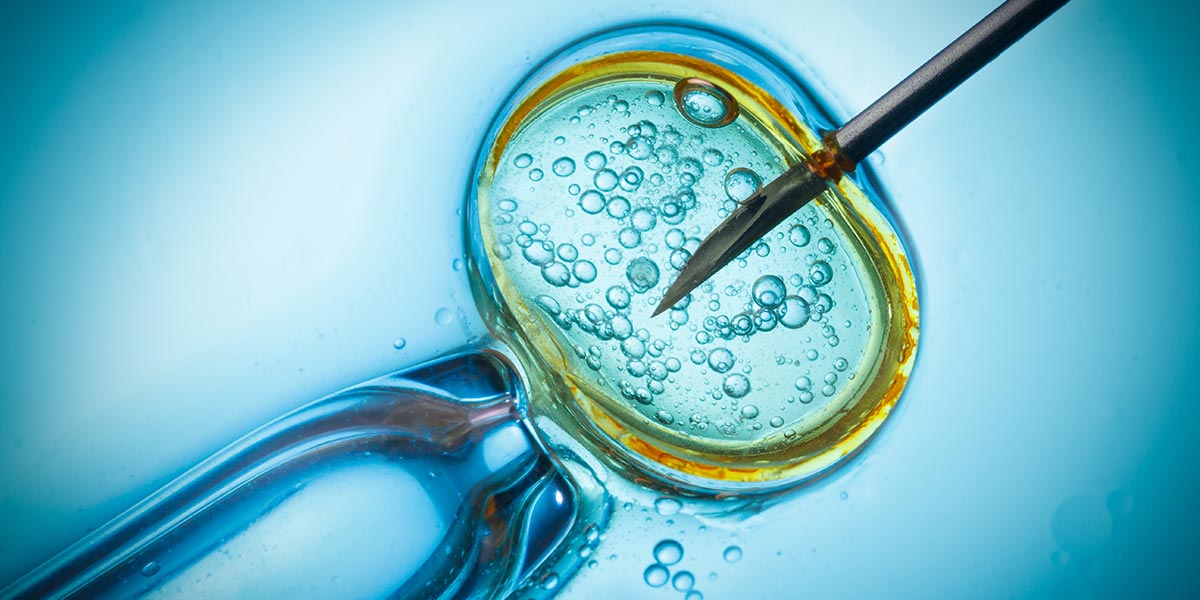
In vitro fertilisation (IVF) has helped thousands of individuals and couples across Ireland build their families, offering hope where natural conception is not possible.
The process is highly regulated and supported by rigorous laboratory procedures designed to protect patients, embryos and future children at every stage of treatment.
This means that for most families, IVF is a positive and carefully managed experience, grounded in trust between patients and fertility professionals.
However, media reports about rare errors within fertility clinics – such as embryo mix-ups – can understandably cause anxiety.
While such cases are extremely uncommon, they raise difficult questions for people undergoing IVF or for parents whose children were conceived through IVF.
This is where DNA testing can play a valuable role in providing clarity and peace of mind.
When used appropriately, it allows families to confirm biological relationships with accuracy, helping to address concerns in a factual and supportive way.
How IVF works – and how DNA questions arise
IVF is a multi-stage medical process that takes place over several weeks and involves close coordination between patients, clinicians and laboratory specialists.
While individual treatment plans vary, the core stages of IVF generally include:
- Stimulation of the ovaries to produce multiple eggs
- Collection of eggs and preparation of sperm samples
- Fertilisation in the laboratory, where eggs and sperm are combined
- Embryo development and monitoring over several days
- Embryo transfer into the uterus, or freezing for future use
Throughout this process, fertility clinics follow strict identification and tracking procedures to ensure that eggs, sperm and embryos are correctly labelled and handled.
In Ireland, assisted reproduction services, including IVF, are governed by the Health (Assisted Human Reproduction) Act 2024, which establishes a formal regulatory framework and provides for the creation of an Assisted Human Reproduction Regulatory Authority (AHRRA) to oversee clinics and protect patient safety.
Despite these safeguards, IVF can involve complex laboratory workflows, particularly in cases where multiple embryos are created and stored, embryos are frozen and transferred later, or where multiple patients’ samples are handled simultaneously.
In most cases, these systems work exactly as intended. However, the technical nature of IVF means that some families may later reflect on their treatment and seek additional reassurance.
DNA-related questions usually stem from parents seeking certainty about biological relationships – either during pregnancy or after a baby is born following IVF.
DNA testing after IVF
Where questions arise following IVF treatment, DNA testing can provide clear, scientifically reliable answers about biological relationships.
These tests analyse specific regions of DNA known as genetic markers, that are inherited from both biological parents.
By comparing these markers between individuals, laboratories can determine whether a biological relationship exists with a very high level of certainty and provide peace of mind that the correct procedures have been followed during IVF.
The following tests can be used following IVF to confirm that the child is biologically related to the parents.
- Paternity test – confirms whether a man is the biological father of a child, using cheek swab DNA samples from the presumed father and the child.
- Maternity test – confirms whether a woman is the biological mother of a child, using cheek swab DNA samples from the presumed mother and the child.
- Non-invasive prenatal paternity test – determines paternity during pregnancy using a blood sample and cheek swabs from the presumed mother, and cheek swab samples from the presumed father.
It’s important to understand that while these tests can help you confirm biological relationships either during pregnancy or after a baby has been born via IVF, they cannot be used to assess fertility clinic procedures or to determine how or why an error may have occurred.
It’s also important to acknowledge that many IVF families will never feel the need for DNA testing. However, for those who do, testing can offer peace of mind during what may already be an emotionally sensitive time.
Why families might consider DNA testing after IVF
For most people, IVF treatment proceeds without issue, and there is no reason to question biological parentage.
However, rare but widely-reported cases of alleged embryo mix-ups may prompt some families to seek additional reassurance.
The most common reason for requesting a DNA test after IVF is simple: to confirm that no mistakes were made and that the child is biologically related to the intended parent or parents.
This request is often driven by:
- Anxiety following media coverage
- The emotional intensity of fertility treatment
- The use of stored eggs or sperm
- A desire for complete certainty after a complex fertility journey
Wanting reassurance does not imply distrust of medical professionals. IVF is a highly-regulated process, and laboratory identification protocols are designed to minimise risk.
However, for some families, scientific confirmation can provide valuable peace of mind.
Peace of mind vs legal DNA testing
DNA tests can be carried out for different purposes:
- Peace of mind: conducted discreetly for personal reassurance. Samples can even be collected yourself at home (cheek swab DNA samples). Results of these tests cannot be used in court or for other official purposes.
- Legal (court-approved) testing: testing is performed in the exact same way in the laboratory. The only difference is that the samples must be collected by a professional sample collector under strict chain of custody procedures, ensuring the samples are taken in the correct way, and from the right people. Results of these tests can be used in legal proceedings or official matters.
Legal testing may be required if parentage is being formally challenged or if official documentation needs to be amended (e.g. birth certificate).
At AlphaBiolabs, all DNA testing is conducted in our ISO 17025-accredited laboratory, and we offer both peace of mind and legal testing options.
We recognise that IVF-related enquiries are often emotionally complex, and we ensure that all testing is handled with professionalism, confidentiality and sensitivity.
Prenatal paternity testing during an IVF pregnancy
For some families, questions about biological parentage arise during pregnancy rather than after birth.
In these situations, non-invasive prenatal paternity testing (NIPP) can provide answers safely and accurately before the baby is born.
How does the test work?
During pregnancy, small fragments of the baby’s DNA circulate naturally in the mother’s bloodstream. This is known as cell-free foetal DNA. A non-invasive prenatal paternity test analyses this DNA using:
- A simple blood sample and cheek swabs from the mother
- A cheek swab from the potential father
The laboratory compares the baby’s genetic profile (obtained from the maternal blood sample) with the potential father’s DNA profile to determine whether he is the biological father.
The test is 100% safe for mum and baby, with no invasive procedures required, and can be performed from just 7 weeks into pregnancy.
DNA testing for reassurance
IVF is a carefully regulated and widely practised fertility treatment that has helped countless families achieve their dream of parenthood.
While media reports of alleged embryo mix-ups can be deeply unsettling, it’s important to remember that such cases are exceptionally rare.
For some individuals and couples, however, even a small degree of uncertainty can feel overwhelming, particularly after the emotional, physical and financial investment that IVF often involves.
In these circumstances, DNA testing can provide clear, factual answers based on established genetic science.
Whether undertaken for peace of mind or for legal purposes, paternity, maternity and prenatal paternity testing offer:
- Highly accurate confirmation of biological relationships
- Discreet and confidential processes
- The opportunity to move forward with clarity and confidence
At AlphaBiolabs, we recognise that IVF-related enquiries are often extremely sensitive.
Our experienced team is committed to providing clarity after IVF treatment, with fast, accurate and confidential DNA testing delivered in a supportive, empathetic manner.
It’s easy to order your test online now or contact our friendly, knowledgeable Customer Services team on 01 402 9466 / info@alphabiolabs.ie for confidential advice on the best test to suit your needs.

DNA testing after IVF
Looking for reassurance after IVF?
Find peace of mind with our paternity, maternity and non-invasive prenatal paternity tests


