 01 402 9466
 info@alphabiolabs.ie
 0 Items

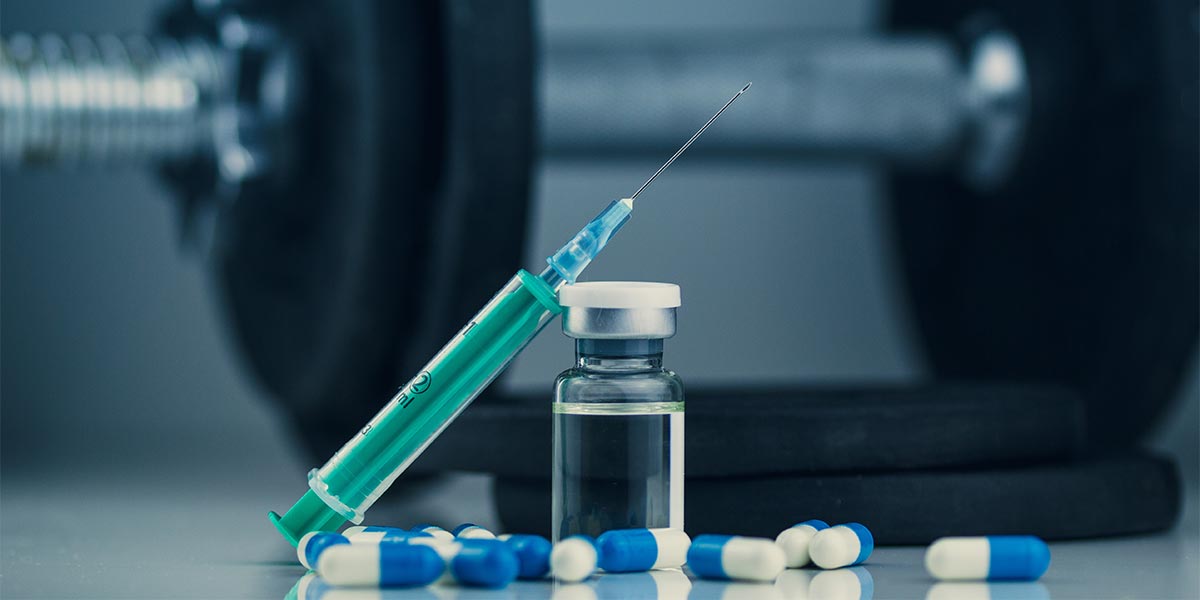
Anabolic steroid misuse is on the rise, with an increasing number of men using them for non-medical reasons each year.
No longer limited to elite athletes, these powerful drugs are now widely promoted by influencers on platforms like TikTok and Instagram, often portrayed as a shortcut to the ideal physique.
But behind the glossy social media posts lies a hidden cost. Steroids can cause serious harm – affecting the heart, hormones, and mental health – and much of their use occurs without medical oversight or awareness of the risks.
In this blog, we look at what’s driving this growing trend, how steroids affect the body, the dangers of long-term use, and how drug testing can help identify misuse and support safer choices.
Trends in steroid misuse
Social media has played a major role in reshaping public attitudes toward steroid use. Fitness influencers –some openly admitting to using substances like trenbolone – are creating a new culture where steroid use is not only normalised but often glamorised.
These self-styled “trenfluencers” offer tips and regimens to their followers, often with little or no medical expertise.
Recent research highlights just how widespread this issue has become; a global meta-analysis found steroid use among gym-goers ranges from 6% to 29%, depending on the country.
Online forums and social media platforms now serve as unregulated support networks and marketplaces, offering easy access to a wide range of substances, from anabolic steroids to human growth hormone and SARMs (selective androgen receptor modulators).
This shift means more people are experimenting with powerful drugs – often without understanding the potential consequences, and without any clinical oversight.
Worse still, many users distrust medical advice, turning instead to online communities for information that may be incomplete, misleading, or dangerously incorrect.
How steroids affect the body
Anabolic androgenic steroids (AAS) are synthetic versions of testosterone, the hormone responsible for male physical characteristics such as muscle growth, bone density, and deepening of the voice.
Medically, they can be prescribed to treat conditions like muscle-wasting diseases or delayed puberty. However, outside of clinical settings, they are often used at far higher doses, and in far riskier ways.
How they work
Steroids bind to androgen receptors in the body, triggering increased protein synthesis and promoting muscle growth. The physical effects can be rapid and dramatic, which is part of their appeal. But while the benefits may seem immediate, the risks can take longer to appear.
Common patterns of use
Unlike medically supervised treatment, recreational users often follow unregulated practices such as:
- Stacking – taking multiple types of steroids simultaneously
- Cycling – alternating periods of use and abstinence to try to minimise side effects
- Blast and cruise – using high doses followed by lower maintenance doses, without complete breaks
These regimens are typically shared online, often promoted by influencers rather than healthcare professionals. Yet they are largely unsupported by scientific evidence and can significantly increase health risks.
Health risks and long-term side effects
While anabolic steroids may offer quick muscle gains, the long-term health risks are significant and often underestimated – especially when used without medical guidance.
Heart and cardiovascular risks
Steroids can:
- Raise blood pressure
- Lower “good” cholesterol (HDL) and increase “bad” cholesterol (LDL)
- Thicken the heart muscle, leading to conditions like cardiomyopathy
One study found that steroid users had a threefold higher risk of death compared to non-users, mainly due to heart disease and cancer.
Mental health and behaviour
Psychological effects can be just as severe:
- Aggression, paranoia, and “roid rage”
- Depression and suicidal thoughts, particularly when stopping use
- Increased risk of criminal or violent behaviour
Up to 30% of men report major depression or suicidal thoughts after ceasing steroid use, as the body struggles to rebalance hormone levels.
Hormonal and reproductive effects
Steroid misuse suppresses natural testosterone production, which can cause:
- Shrinking of the testicles
- Low sperm count and infertility
- Hormonal imbalances that may take months – or even years – to correct
Some effects of steroid misuse may improve after stopping use, but others, particularly heart and hormone damage, can be long-lasting or irreversible.
Learn more: What are the risks and side effects of steroids?
The role of drug testing in addressing steroid misuse
Drug testing plays a critical role in identifying steroid misuse and supporting recovery.
Why testing matters
- Early detection – Regular or targeted drug testing can identify steroid use before serious health complications develop.
- Health monitoring – Testing allows clinicians to track substance use and assess its impact on hormonal balance, cardiovascular health, and liver function.
- Support for recovery – For individuals looking to stop steroid use, testing provides a measurable way to monitor progress and support a safe return to natural hormone production.
Testing may also help reduce the risks associated with contaminated or mislabelled products, which are commonly found in the black-market supply of steroids.
In settings such as family law, healthcare, sport, or the workplace, steroid testing can form part of a wider strategy to address substance misuse, protect wellbeing, and encourage safer choices.
Learn more: How long do steroids stay in your system?
Supporting recovery and safer practices
Recovering from steroid misuse isn’t as simple as stopping use. Many people experience withdrawal symptoms such as low mood, fatigue, and long-term hormonal imbalances. For some, natural testosterone production can take months or even years to return to normal.
Challenges in recovery
- Limited clinical guidance – Many healthcare professionals lack specific protocols for treating steroid misuse.
- Stigma and secrecy – Users may avoid seeking help due to fear of judgment.
- Unreliable advice – Online communities often promote untested or risky recovery methods.
What’s needed
A supportive, realistic approach is key. This includes:
- Non-judgemental medical support
- Access to psychological care and hormone monitoring
- Clear, evidence-based guidance informed by real-world user experiences
By creating an open and informed environment, individuals are more likely to seek help and reduce the long-term health risks associated with steroid misuse.
Steroid drug testing you can trust
Anabolic steroid misuse continues to rise, with significant implications for physical and mental health. From cardiovascular damage and hormonal disruption to psychological effects and fertility issues, the risks are real and often underestimated.
At AlphaBiolabs, we recognise the importance of accurate, confidential testing in addressing these risks.
With over 20 years’ experience offering drug testing for members of the public, the legal sector and the workplace sector, we provide steroid drug testing to suit a range of needs, including:
- Drug testing for private individuals, for use in official matters (custody or divorce proceedings, industrial tribunals, other legal issues)
- Drug testing for family law professionals and social workers handling child welfare and custody disputes
- Drug testing for businesses implementing workplace drug testing/substance misuse policies
- Drug testing for contractors, freelancers, or new employees who require a drug test for work
For more information or to request a quote, call our Customer Services team on 01 402 9466 or email info@alphabiolabs.ie.

Drug Testing Services
Explore our range of accredited drug testing services for peace of mind, legal and official matters, and the workplace.


